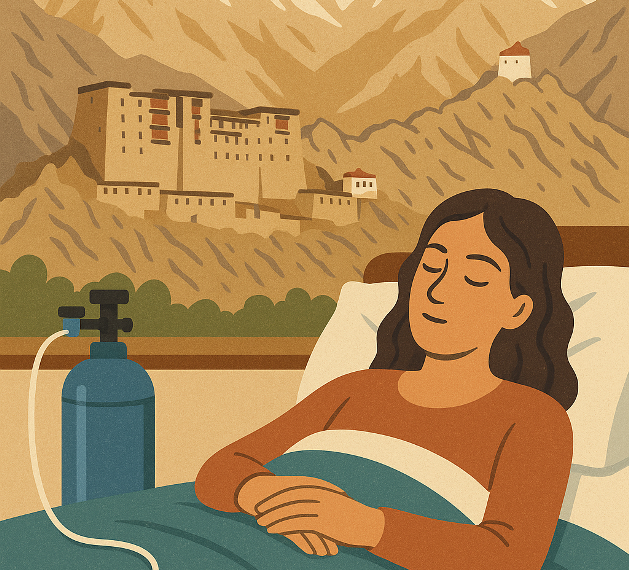
Visiting Leh–Ladakh is a dream for many travelers, but the region’s high altitude requires proper acclimatization to stay healthy and enjoy your trip. Leh sits at around 3,500 meters (11,500 ft) above sea level, where oxygen levels are significantly lower than in the plains. If you ascend too fast or ignore the body's warning signs, you may experience Acute Mountain Sickness (AMS)—a common but preventable condition.
This guide explains exactly how to acclimatize safely in Leh, what to avoid, symptoms to watch out for, and practical steps every traveler should follow.
Why Acclimatization is Important in Leh
As you reach higher altitudes, the air becomes thinner, and the body receives less oxygen. Your body needs time to adjust to this environment. Without proper acclimatization, you may experience:
-
Headache
-
Nausea or vomiting
-
Dizziness
-
Loss of appetite
-
Fatigue
-
Breathlessness even at rest
-
Sleep difficulty
Ignoring these symptoms can lead to HAPE (High Altitude Pulmonary Edema) or HACE (High Altitude Cerebral Edema), both of which require immediate medical attention.
Day 1 in Leh: The Golden Rule – REST
The first 24 hours after landing in Leh should be full rest.
Avoid the temptation to explore the city immediately.
What to do:
-
Rest in your hotel room
-
Stay warm and hydrated
-
Eat light meals
-
Avoid alcohol and smoking
-
Avoid climbing stairs or walking too much
Your body is adjusting to the low oxygen level, so give it the time it needs.
Drink Plenty of Water – But Not Too Much
Hydration helps your body adjust faster.
Recommended:
-
3–4 liters of water per day
-
ORS (Electrolyte drinks) to maintain salt balance
-
Warm water throughout the day
Avoid:
-
Excessive water intake (can dilute sodium in the body)
-
Carbonated drinks
Use Oxygen Support If Needed
Most hotels in Leh keep oxygen cylinders or oxygen concentrators for emergency use.
When to use oxygen:
-
Difficulty breathing
-
Intense headache
-
Oxygen saturation (SpO₂) below 85%
This temporary support helps relieve symptoms, but it is not a replacement for proper acclimatization.
Eat Light, Warm, and Nutritious Food
Your digestion slows down at high altitude. Heavy meals can cause nausea or discomfort.
Best foods during acclimatization:
-
Soups
-
Khichdi
-
Porridge
-
Fruits (banana, apple)
-
Herbal tea or ginger tea
Avoid:
-
Fried foods
-
Alcohol
-
Red meat
-
Cold drinks
Avoid Physical Exertion
Give your body rest. Activities like:
-
Running
-
Trekking
-
Visiting monasteries on hills
-
Shopping
-
Climbing stairs
should be completely avoided on the first day and minimized on the second day.
Check SpO₂ Levels Regularly
Carry a small pulse oximeter and monitor your oxygen levels.
-
Normal at high altitude: 85%–92%
-
Below 85%: Rest and seek oxygen support
-
Below 80%: Serious – seek medical attention immediately
Medicines That Help in Acclimatization
Consult your doctor before taking any medication.
Commonly prescribed:
-
Diamox (Acetazolamide) – Helps prevent AMS
-
Dexamethasone – Emergency use only
-
Paracetamol – For headache
Do not self-medicate without expert advice.
What to Avoid During the First 48 Hours
❌ Alcohol
❌ Smoking
❌ Running or trekking
❌ Riding bikes to high passes
❌ Sleeping during the day too much
❌ Eating heavy meals
❌ Traveling to Nubra Valley or Pangong Lake immediately
Travelers who go to high-altitude places like Pangong or Khardung La too soon often fall sick.
Best Acclimatization Schedule for Leh
Day 1 – Complete Rest
-
Stay indoors
-
Hydration + light food
-
Sleep early
Day 2 – Local Sightseeing
You can visit:
-
Leh Palace
-
Shanti Stupa
-
Hall of Fame
These places are within Leh town and don’t require steep climbs.
Day 3 – Nubra Valley or Sham Valley
After two days of acclimatization, it is safe to travel to higher or lower altitudes.
Who Is At Higher Risk of AMS?
-
People flying directly to Leh
-
People with respiratory or heart diseases
-
Senior citizens
-
Children under 5
-
Smokers
-
Those who do intense activities on Day 1
These travelers must take extra precautions.
Emergency Symptoms – Seek Help Immediately
If you notice any of these, do not ignore:
⚠️ Breathlessness at rest
⚠️ Blue lips or nails
⚠️ Severe, persistent headache
⚠️ Confusion or disorientation
⚠️ Chest pain
⚠️ Difficulty walking straight
⚠️ Oxygen saturation below 80%
In Leh, hospitals equipped for AMS include:
-
SNM Hospital
-
Army Hospital (for emergencies)
Tips to Stay Healthy Throughout Your Trip
-
Always dress in layers (weather changes quickly)
-
Use sunscreen (UV rays are strong)
-
Sleep well and eat on time
-
Don’t rush your itinerary
-
Carry basic medicines
-
Listen to your body
Final Thoughts
Leh–Ladakh is breathtaking, but the experience becomes magical only when you stay healthy. Proper acclimatization is the most important part of your travel plan. Just follow the simple rules—rest, hydrate, eat light, and ascend slowly—and you’ll be ready to explore one of India’s most stunning landscapes without any issues.